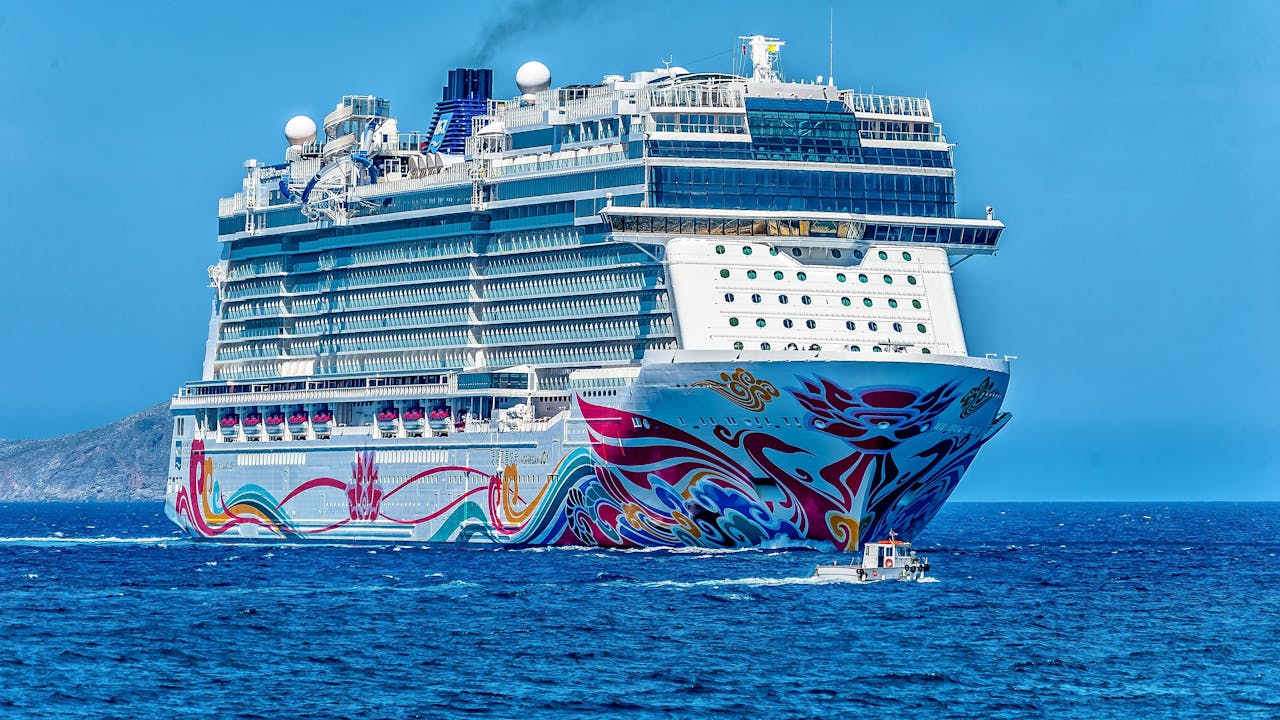
Ever wondered what it would be like to trade your everyday routine for life on a cruise ship? Picture waking up to a different view each morning, enjoying world-class meals, and never worrying about chores again. It sounds like a dream—but could it actually be a reality?
Is It Really Possible to Live on a Cruise Ship?
For those with an insatiable curiosity about the world, the idea of living on a cruise ship full-time can be fascinating. Imagine trading in the routine of daily life for the constant discovery of new cultures, cuisines, and landscapes—all while having the comforts of home at sea. It might seem like a far-fetched dream, but it’s becoming a reality for many, from retirees seeking a new adventure to professionals embracing remote work in an unconventional way.
Having traveled extensively, I’ve seen firsthand how people adapt to different environments, and life at sea is no exception. Some choose to piece together back-to-back itineraries on mainstream cruise lines, while others invest in permanent residences on ships designed specifically for long-term living. Each approach offers unique opportunities but also comes with challenges—navigating logistics, managing expenses, and adjusting to life in a more confined space.
Before making the leap, it’s important to consider the practical side of things—budgeting for long-term costs, staying connected with loved ones, and ensuring access to healthcare while constantly on the move. But for those who crave a life filled with exploration and discovery, living at sea offers an intriguing and ever-changing experience.
Exploring Permanent Cruise Living Options
Living on a cruise ship full-time isn’t a one-size-fits-all experience. There are several ways to make it work, each offering a different balance of flexibility, cost, and convenience. Whether it’s hopping between traditional cruise itineraries, securing a spot on a world cruise, or investing in a floating residence, the possibilities are as diverse as the destinations themselves.
Traditional Cruise Ships
I’ve met plenty of fellow travelers who’ve turned traditional cruise ships into their floating homes—hopping from one itinerary to the next, enjoying endless buffets, and waking up to a new view every few days. It’s an appealing option for those who crave variety and enjoy the social atmosphere that comes with life on board. Lines like Royal Caribbean, Carnival, and Cunard offer that classic cruise experience—lively entertainment, sprawling pools, and endless dining options. Whether it’s sipping a fruity drink by the pool or dressing up for a black-tie dinner, life on these ships feels like a never-ending vacation.
But it’s not always smooth sailing. Booking back-to-back cruises requires careful planning, especially if you want to stay in the same cabin. Some cruise lines even require passengers to disembark briefly between trips, which can be a hassle. Additionally, traditional cruising can be surprisingly affordable, with options starting at around $35,000 per year if you opt for budget-friendly lines and deals. However, additional costs such as gratuities, Wi-Fi, excursions, and specialty dining can quickly add up, making planning and budgeting essential.
Residential Cruise Ships
For those seeking a more permanent setup, residential cruise ships like The World, MV Narrative, and Victoria Majestic provide opportunities to lease or even purchase onboard residences. These ships are designed with long-term living in mind, offering amenities such as grocery stores, fitness centers, and workspaces to create a sense of home at sea. Unlike traditional cruises, these ships provide a more consistent experience, but they come with substantial costs. Residential cruise ships are a luxury investment, with prices ranging from $875,000 to over $14 million for a private residence. Annual maintenance fees can cost between $60,000 and $300,000, making this an option primarily for those with significant financial resources.
Residences on The World, for example, start at around $3 million, with annual fees adding to the expense. Despite the cost, these ships offer unparalleled convenience for those committed to a life at sea. Ownership options provide flexibility as well. While some residents fully own their floating home, others opt for co-ownership partnerships, sharing their residence with others and splitting time between life at sea and life on land. The onboard experience is tailored to residents’ needs, with personalized concierge services, bespoke dining, and wellness programs designed to make every day feel effortless.
The Three-Year World Cruise
A middle ground between short-term cruising and permanent residency, the three-year world cruise, such as the one planned by Life at Sea Cruises, offers an extended itinerary covering hundreds of destinations across multiple continents. Residents can enjoy a variety of entertainment and recreational activities, from sunbathing on the pool deck to playing a round of virtual golf or joining a lively karaoke night. The focus isn’t just on fun—there’s also a strong emphasis on health and wellness, with gourmet dining options featuring international cuisine that caters to various dietary needs. With fares starting at $30,000 per year, this option provides long-term stability while allowing passengers to experience a variety of cultures and landscapes. However, plans for these types of cruises can be unpredictable—Life at Sea’s highly anticipated voyage was recently canceled due to financial challenges, leaving some travelers disappointed and seeking refunds.
Challenges of Living on a Cruise Ship Full-Time
Living on a cruise ship might seem like a dream come true—waking up in a new destination every few days, endless buffets, and a packed schedule of entertainment. But like any lifestyle, it comes with challenges that require some adjusting. I’ve met plenty of travelers who’ve embraced full-time cruise living, and their stories have taught me that flexibility, planning, and the right mindset are key. Tori Carter and Kirk Rickman, a couple who sold their home to live full-time at sea, share their experience:
“Since then, we’ve been cruising full-time. My favourite destination so far was South Korea. We went to an improv show, and I was invited on stage. I used to teach high school theatre, so it was right up my alley. We also went to Greenland, which is so vast and sparsely populated. There were more people on our ship than in their third largest city.”

- Packing for Life at Sea: Adjusting to a smaller living space is one of the first things full-time cruisers mention. Downsizing from a house to a cruise cabin takes a bit of creativity, and making the most of every inch is essential. As Tori explains, “Even with all our planning, we’re still short on clothes at times because some cruise ships have no laundry service. We have to wait until we reach land, wearing the same clothes over and over.”
- Staying Connected: Internet access at sea is notoriously unreliable, which can make it tough to stay in touch with friends and family or manage work responsibilities. Many cruisers have to get creative with staying connected, relying on port stops for better service.
- Managing Costs: Budgeting for long-term cruising is another challenge, with unexpected costs adding up quickly. While cruises can appear affordable at first glance, fees for gratuities, WiFi, and excursions can change the financial picture.
- Health and Wellness: Keeping up with healthcare needs while traveling continuously can be tricky. Cruise ship medical centers handle basic health concerns, but planning for more complex care requires foresight. Kirk shares how they balance health and adventure, stating, “We do a lot of exploring on our own instead of shelling out a few hundred dollars for a group trip.”
- Maintaining Relationships: While full-time cruising allows for new friendships, being away from loved ones for extended periods can be challenging. Finding ways to stay connected and celebrate important milestones remotely is key.
Despite the challenges, many long-term cruisers find the rewards outweigh the difficulties. As Kirk puts it, “It’s certainly not everybody’s idea of retirement, but we’ve loved our first year at sea. We never imagined we could travel this much.” Life at sea isn’t for everyone, but for those with a spirit of adventure and a knack for planning, it can be an incredibly fulfilling and enjoying way to see the world.
Tips for Living on a Cruise Ship Successfully
Making the transition to full-time cruise living requires more than just a love for travel—it takes careful planning and smart strategies to ensure a smooth and enjoyable experience. Whether you’re considering back-to-back itineraries or a long-term residential ship, there are several key factors to keep in mind to make the most of your time at sea.

- Budget Wisely: Choose all-inclusive deals to cover essentials like meals and entertainment. Loyalty programs and last-minute deals can help cut costs and stretch your budget further.
- Choose the Right Cabin: Inside cabins are cheaper but lack natural light, while balconies offer better views and ventilation for long stays. Pick a location near amenities for added convenience.
- Stay Healthy: Balance indulgence with exercise. Use onboard gyms, walking tracks, and take active shore excursions to stay fit.
- Pack Smart: Cruise cabins are small, so pack multi-purpose items and stay organized to maximize space. Minimalism helps reduce clutter.
- Stay Connected: Ship WiFi can be expensive; use packages, loyalty perks, and local data in ports to stay in touch affordably.
- Make Connections: Engage in activities and social events to build friendships and a sense of community.
- Be Flexible: Unexpected changes are part of cruise life. Stay open-minded and adaptable to enjoy the experience fully.
With the right mindset and preparation, living on a cruise ship can be an incredibly rewarding experience, offering a perfect blend of adventure, relaxation, and convenience.
Finding the Right Fit for Life at Sea
Living full-time on a cruise ship is more than just a luxurious escape—it’s a lifestyle that requires careful planning and adaptability. Whether it’s hopping between traditional cruises, investing in a floating residence, or embarking on an extended voyage, each option comes with its own set of rewards and challenges. While budgeting, connectivity, and personal space are key considerations, those who embrace the lifestyle with flexibility and an open mind often find it to be a fulfilling way to explore the world.