
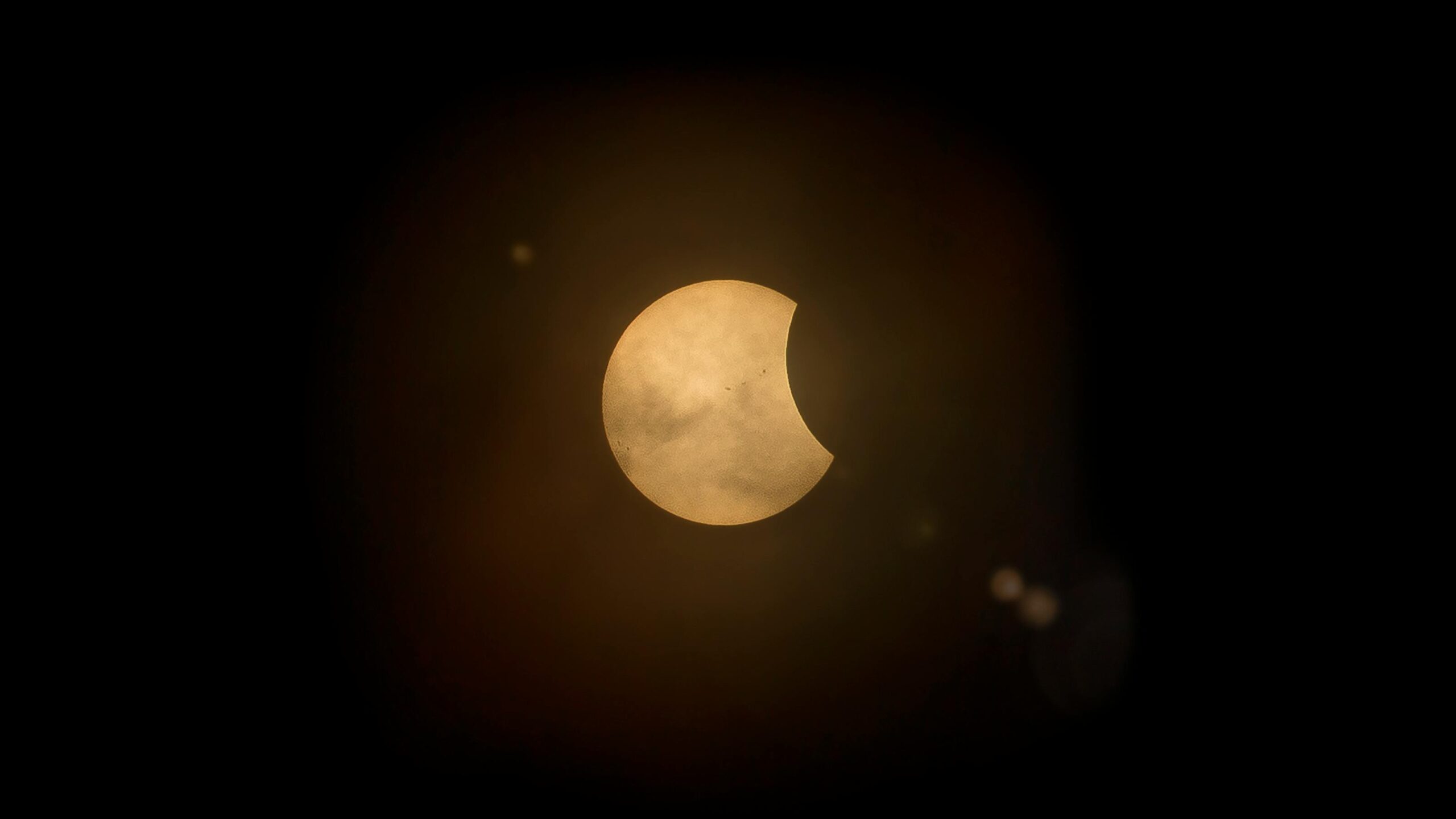
On March 29, 2025, the first solar eclipse of the year will take place, offering skywatchers a rare chance to witness the Moon partially obscuring the Sun. As the Sun slowly fades into a crescent shape, it’s an event that brings with it a sense of awe and wonder, one that reminds us of the incredible precision of our universe. Whether it’s the thrill of watching the light shift or the shared experience of gazing at the same sky with friends or strangers alike, this eclipse promises to be something truly special.
For those who have traveled the world, there’s a unique beauty in witnessing celestial phenomena like this. It’s not just the science behind it that fascinates, but the way such moments connect us, making us pause and appreciate the simple, yet awe-inspiring wonders of nature. This eclipse, though not total, is an opportunity to witness something extraordinary—a reminder that the universe has a way of slowing us down, if only for a moment.
Top Places to Experience the Eclipse
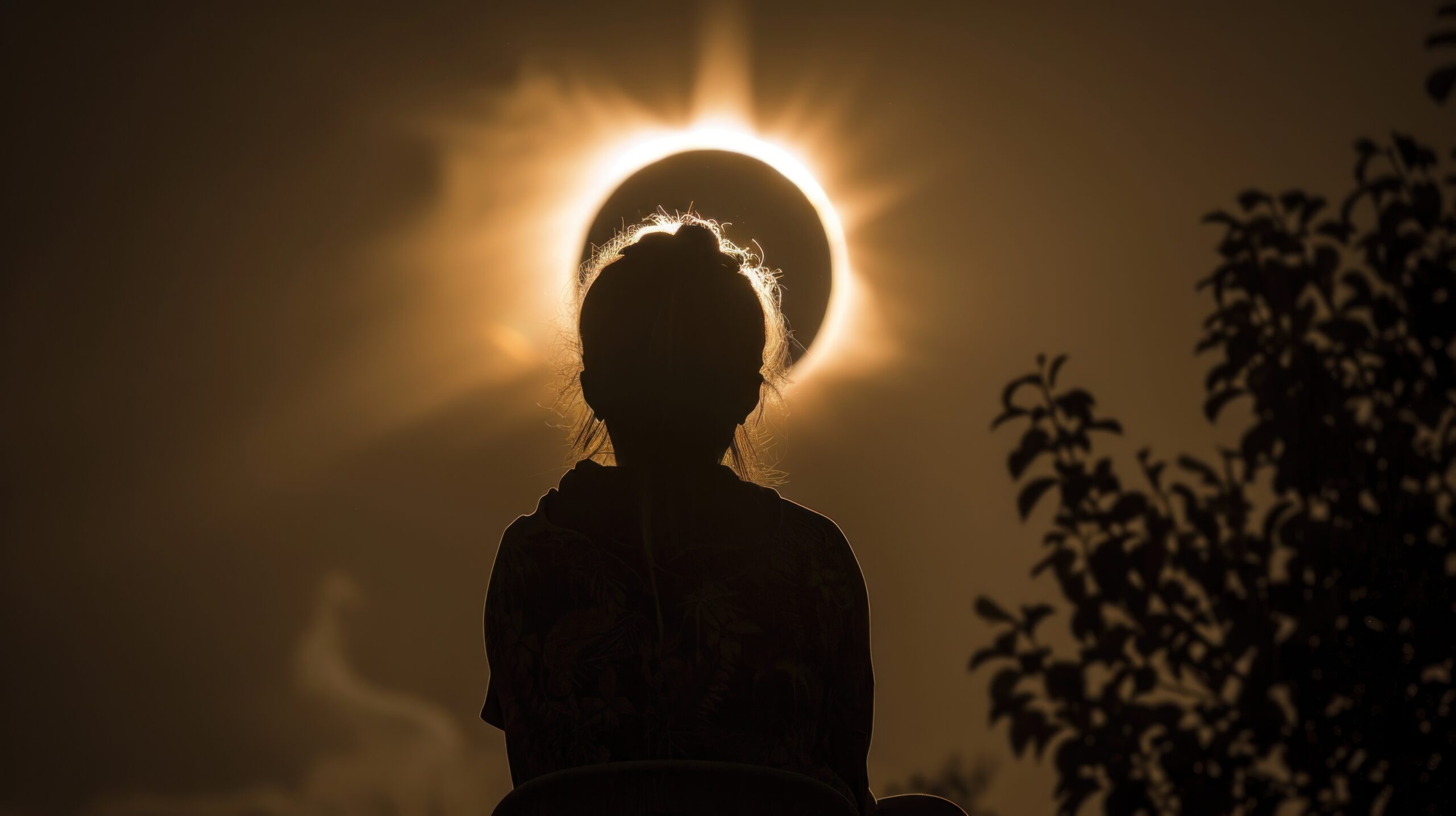
When it comes to experiencing a solar eclipse, location can make all the difference. The March 29th eclipse will be visible from several regions around the world, with the most striking views occurring in the northeastern parts of North America, Western Europe, and parts of North Africa. While this isn’t a total eclipse, the areas where the Sun will be most obscured will offer an unforgettable experience.
In the northeastern United States and parts of eastern Canada, the eclipse will begin right at sunrise, with the Sun appearing as a thin crescent rising above the horizon. Cities like Portland, Maine, and St. John’s, Canada, will experience an especially dramatic view, where the Sun’s partial coverage creates a captivating “horned” shape—a visual treat that will be remembered for years. For travelers looking to combine natural beauty with this celestial event, these locations offer not just a view of the eclipse, but the opportunity to enjoy the surrounding landscapes, whether it’s a seaside sunrise or the tranquility of a mountain backdrop.
Across the Atlantic, the experience will be just as stunning in Western Europe. From cities like Paris and London to smaller towns along the coast, the eclipse will take place in the mid-to-late morning, casting a unique light over the landscape as the Sun’s rays are partially blocked. Imagine sipping a cup of coffee in a bustling café in Paris or standing by the Thames River in London as the sky subtly shifts. These moments will feel both intimate and expansive, connecting travelers and locals alike in the shared experience of witnessing the same celestial event.
For those in parts of North Africa and Northern Asia, the eclipse will be visible later in the day, offering a beautiful, albeit subtler, spectacle. Even though the coverage will be less dramatic, the eclipse will still provide a rare opportunity to see the Sun in a different form. Whether standing in a vibrant marketplace or along a quiet beach, the eclipse will bring an unexpected calmness, as the world pauses for a few moments to witness nature’s wonders.
Wherever it’s viewed, the eclipse invites travelers to find a spot that’s not just about the best view, but one that complements the unique experience of the moment. From the vibrant cities to the tranquil landscapes, the best vantage point isn’t just about geography—it’s about the way the surroundings enhance the event, turning it into a memory that lasts a lifetime.
Making the Most of Eclipse Day
Safety and Comfort Tips for Viewing
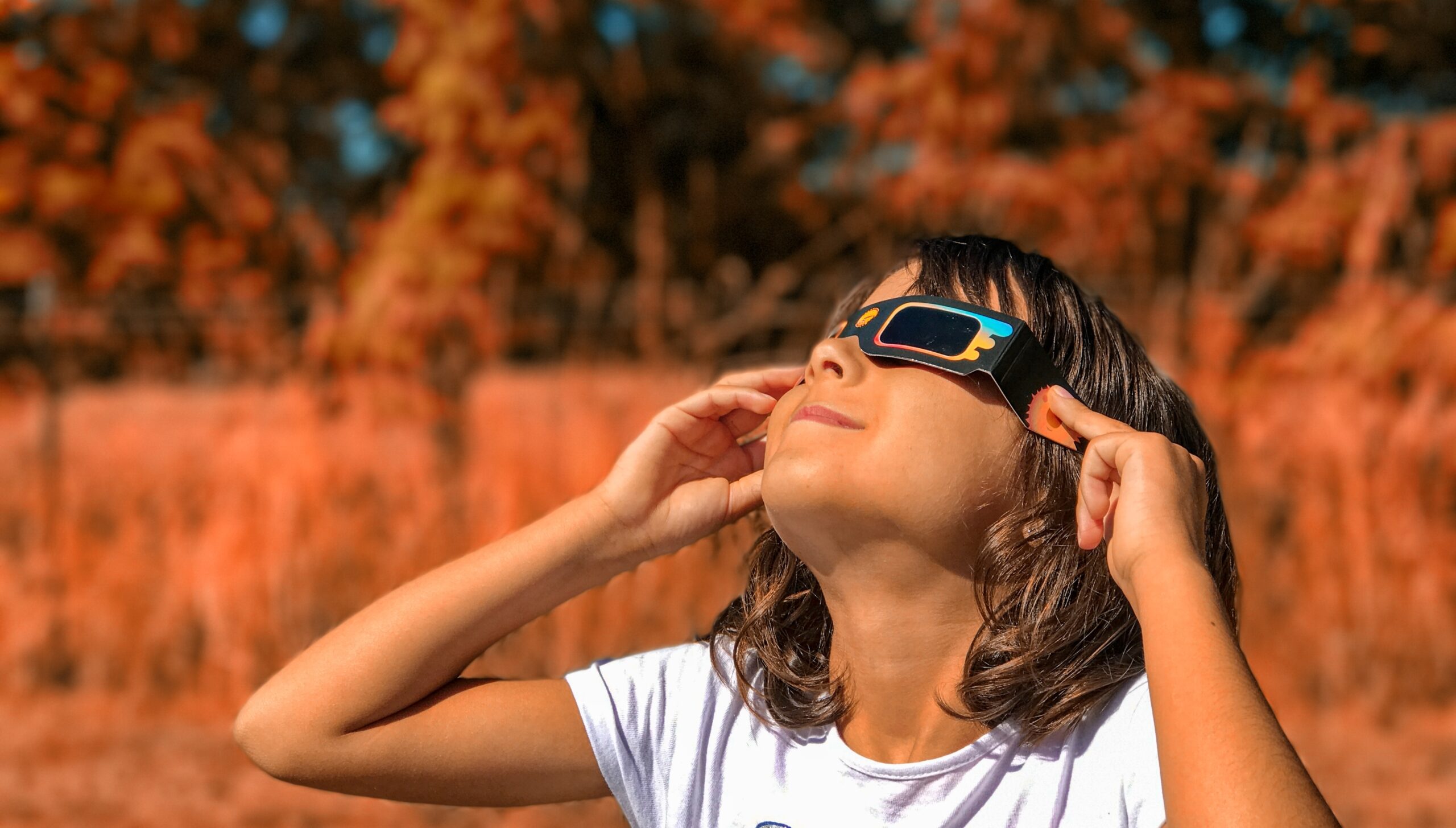
While the allure of a solar eclipse can be tempting, it’s crucial to remember that viewing the Sun—no matter how much of it is covered by the Moon—can be dangerous without the proper precautions. Protecting your eyes during the eclipse is essential to ensure a safe and enjoyable experience.
The most important rule? Never look directly at the Sun without certified eclipse glasses or a solar filter. Regular sunglasses, no matter how dark, are simply not safe for viewing the Sun. Eclipse glasses, which are thousands of times darker than normal shades, are specially designed to block out harmful ultraviolet and infrared rays, making it safe to look at the Sun. It’s important to ensure that the glasses are ISO 12312-2 certified, as this guarantees they meet the international safety standards for solar viewing.
For those who don’t have access to eclipse glasses, there are a few creative alternatives. One popular and safe method is using a pinhole projector. This simple device can be made with everyday items, like a piece of cardboard or an index card. By creating a small hole in the card and allowing the sunlight to pass through, a tiny image of the Sun will be projected onto a flat surface. It’s a fun and easy way to safely observe the eclipse without looking directly at the Sun.
If you’re using binoculars, a telescope, or a camera, be sure to attach a special solar filter to the front of the lenses. This will protect your eyes and your equipment from the intense rays of the Sun. Never attempt to use regular solar glasses or viewers through these devices, as the concentrated sunlight will burn through the filter and cause serious eye injury.
It’s easy to get caught up in the excitement of a solar eclipse, but taking the time to properly prepare and use the right viewing tools will ensure that the experience remains as awe-inspiring as it should be. By following these safety measures, you can focus on the wonder of the event, without worrying about harm to your eyes or equipment.
More Celestial Events to Look Forward To in 2025
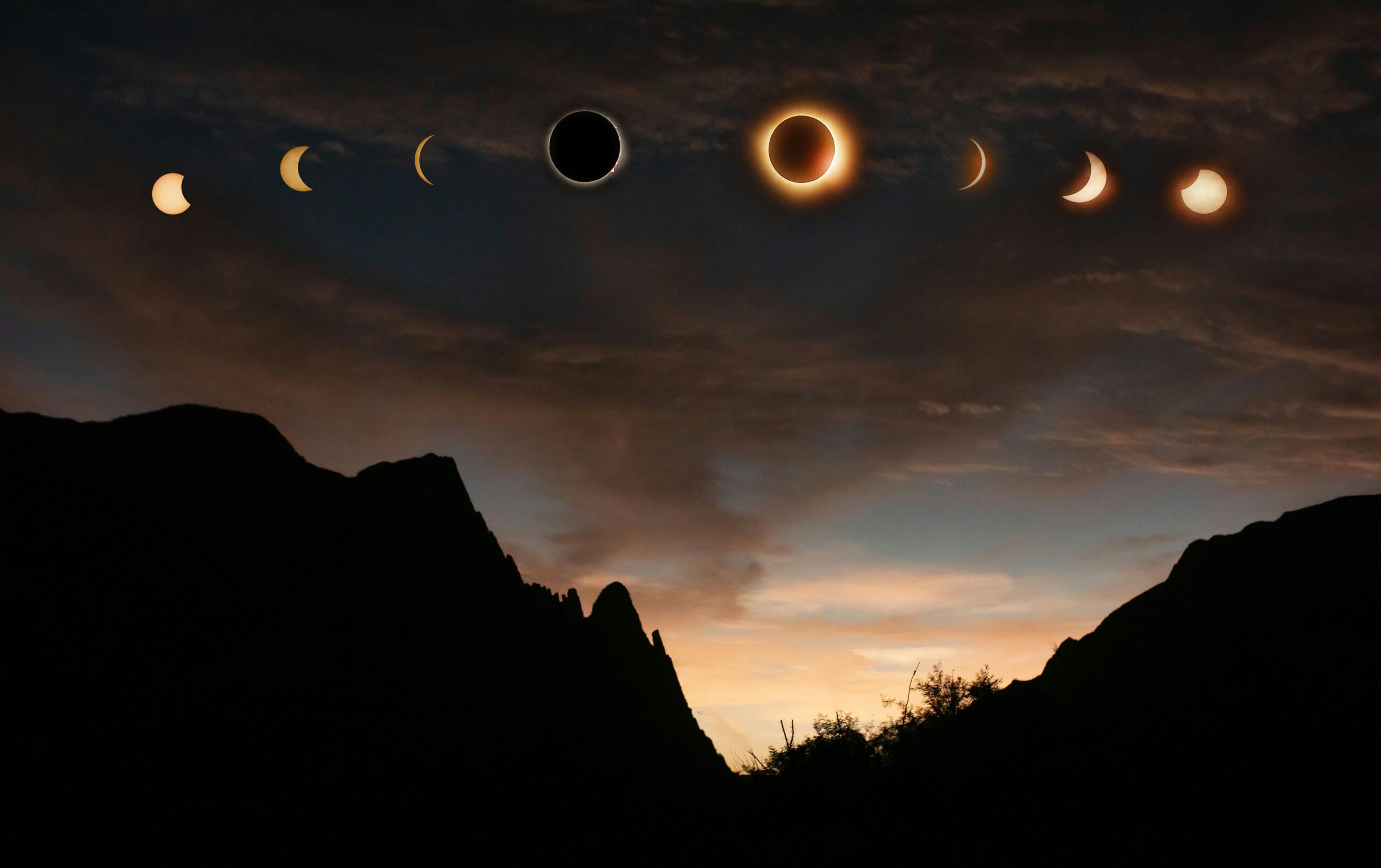
If the March 29th solar eclipse leaves you with a sense of wonder, don’t worry—2025 has much more in store for skywatchers. In fact, the year is shaping up to be one for the books, filled with both solar and lunar eclipses that promise to keep even the most seasoned travelers and stargazers captivated.
Following the partial solar eclipse in March, the next major celestial event will be a total solar eclipse on September 21, 2025. Unlike the March event, this eclipse will create a path of totality, where parts of North America will experience complete darkness during the day. For those in the path, it’s a rare opportunity to witness the Sun’s ethereal corona—the glowing halo that surrounds the Sun during totality, visible only during a total solar eclipse. It’s an awe-inspiring moment that captures the true magnificence of the universe, making it a prime event for photographers, eclipse chasers, and anyone eager for a truly spectacular experience.
But the excitement doesn’t stop with the solar eclipses. 2025 also brings two lunar eclipses—one on March 14 and another on September 7. The March lunar eclipse will be a subtle penumbral eclipse, where the Moon passes through Earth’s outer shadow, creating a soft, shadowy effect that can be easy to miss if you’re not paying attention. For those who love the quieter beauty of lunar events, this is a perfect opportunity to practice your skywatching skills.
In contrast, the September 7 partial lunar eclipse will offer a more dramatic spectacle, as Earth’s darker shadow slices across the Moon’s surface, creating a beautiful, if not as intense, visual effect. While not as striking as a total lunar eclipse, it’s still a beautiful reminder of our place in the cosmic dance of Sun, Earth, and Moon.
With four eclipses on the horizon, 2025 is a stellar year for anyone fascinated by the cosmos. Each one offers a unique chance to connect with the universe, whether through the shadowy veil of a solar eclipse or the gentle shifting of a lunar one. For those who love to travel, these celestial events provide the perfect excuse to explore new locations, or perhaps revisit old favorites, all while witnessing some of the most breathtaking natural phenomena our planet has to offer. Keep your eyes on the sky—the year is just getting started.
A Celestial Show You Won’t Want to Miss

As the March 29th solar eclipse approaches, it’s not just the sight of the Sun and Moon coming together that makes this event so special—it’s the way it connects us. From the quiet stillness of rural landscapes to the bustling energy of city streets, people all over the world will look up at the sky and witness the same celestial spectacle. For a brief moment, we’ll all share in the same awe, regardless of where we are or who we are with.
Celestial events like this remind us that we are part of something much bigger—something timeless. These rare occurrences pull us away from our everyday routines and invite us to pause, look up, and appreciate the beauty that exists beyond our busy lives. Whether it’s during a morning walk on a quiet beach, while traveling through unfamiliar streets, or simply in your own backyard, the eclipse offers a chance to reconnect not just with nature, but with the shared human experience of wonder.
So, as the eclipse draws near, don’t let this moment slip by unnoticed. Embrace it. Gather your friends and family, or perhaps meet fellow skywatchers, and take the time to truly appreciate the event. With the right preparation, you’ll be able to witness something extraordinary that will stay with you long after the Sun returns to its full, bright form. After all, these cosmic moments are rare and fleeting, and they remind us all of the magic that exists just above us—waiting to be noticed.
