
Boarding a flight is often a mix of excitement and exhaustion—security checks, frantic gate sprints, and the comforting sight of cabin crew ready to welcome you aboard. As you step into the plane and hear a friendly “hello,” you might think of it as nothing more than a polite gesture. But what if that simple greeting held a deeper, more strategic purpose? Flight attendants are trained to do much more than serve snacks and adjust seat belts, and that brief moment of eye contact might be more significant than you realize. Curious about what goes on behind that smile?
The Real Reason Behind the Greeting
As passengers step onto a plane, the friendly “hello” from a flight attendant often feels like a standard courtesy. But beneath that smile and warm tone lies a carefully orchestrated process. In the fleeting seconds of this exchange, flight attendants are assessing every passenger. It’s not just about good manners—this interaction plays a crucial role in ensuring safety and maintaining order in the skies.
Flight attendants are trained to pick up on subtle cues. They observe body language, facial expressions, and general behavior to determine if someone might be unfit to fly. Signs of intoxication, visible illness, or even heightened stress levels could trigger concerns. While most passengers don’t think twice about pushing through a bout of sickness or enjoying a drink before boarding, these seemingly small details can snowball into significant mid-flight disruptions.
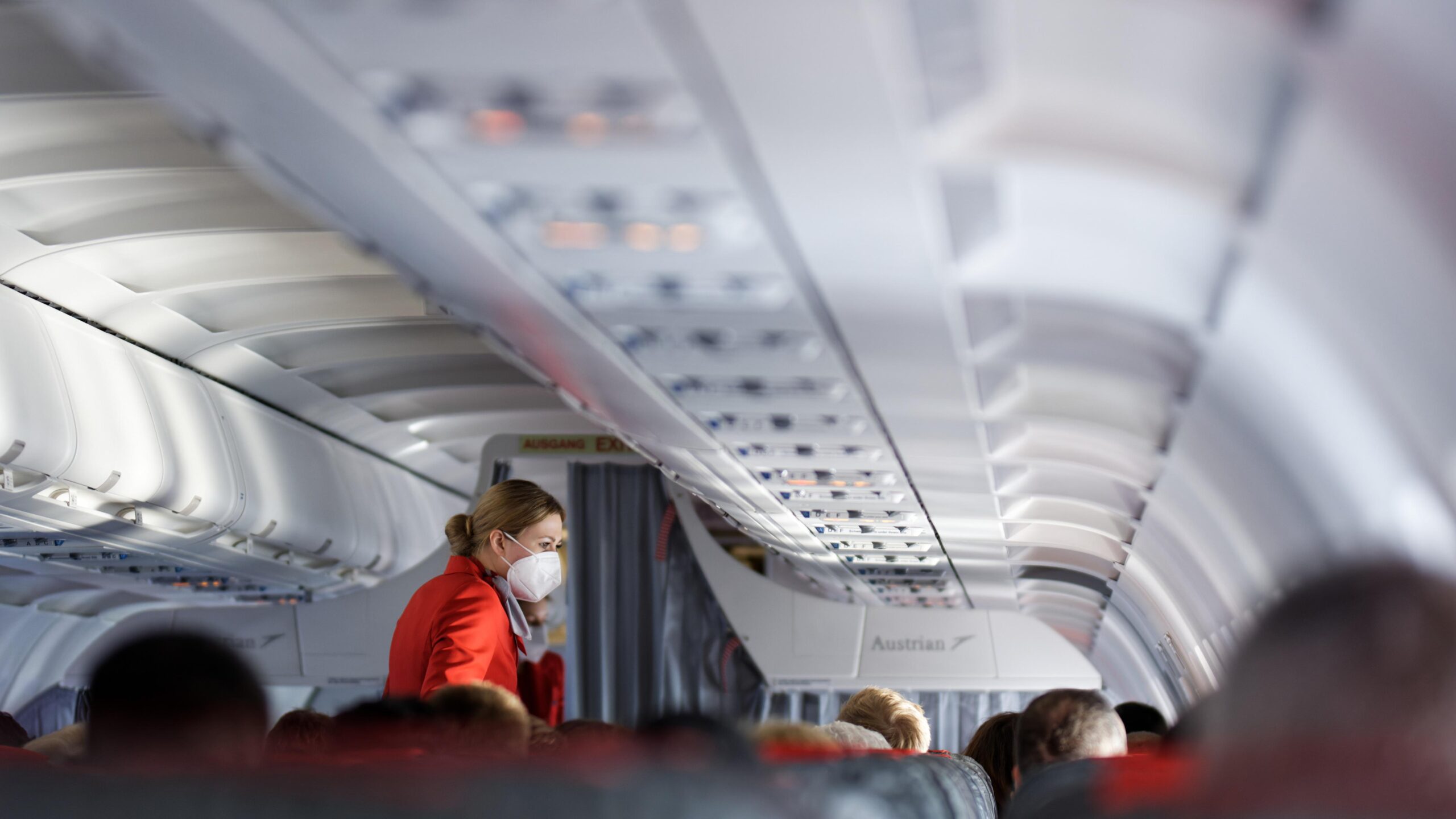
Their role doesn’t end there. In addition to identifying potential risks, flight attendants are also scanning for individuals who could assist in an emergency. These able-bodied passengers (ABPs) are chosen based on physical capability, alertness, and an overall sense of calmness. Flight attendants weigh factors like mobility, language skills, and whether someone is traveling alone to determine if they could be a reliable ally during an evacuation or other critical situations.
Spotting Able-Bodied Passengers (ABPs)
As passengers make their way to their seats, flight attendants are quietly scanning for individuals who could step up in emergencies. These “able-bodied passengers,” or ABPs, are invaluable during situations like evacuations, medical emergencies, or other in-flight crises. While the focus is subtle, the selection process is thorough and meticulous.
Flight attendants look for passengers who are physically capable and exhibit a sense of calm and attentiveness. Ideal ABPs are usually those without mobility challenges, who appear alert, and who may be traveling alone. Factors like these make it more likely that they could assist the crew in critical scenarios. Some professionals—such as military personnel, medical practitioners, and law enforcement officers—stand out naturally as potential candidates.
Communication skills are another key consideration. Passengers who can effectively follow instructions and speak the necessary language (most commonly English, depending on the airline’s location) are preferred as ABPs. Their ability to understand and execute directions quickly can make all the difference during high-pressure situations.
Why Flying When Sick or Drunk Is Risky

Flying might feel like a necessary choice, even when under the weather or after a celebratory round of drinks. However, what many passengers overlook are the serious risks that such conditions can pose—not just to their own health, but to everyone onboard. The confined cabin of an airplane, coupled with pressure changes and a shared air supply, makes it a unique environment where even minor discomforts can escalate dramatically.
For those who are sick, the physical strain of flying can amplify symptoms. Respiratory illnesses, for instance, can cause blocked sinuses, making it difficult for the body to adapt to changes in air pressure during takeoff and landing. This can lead to severe pain and, in extreme cases, could result in complications. Moreover, the risk of spreading illness to fellow passengers adds another layer of concern, making your sickness everyone’s problem.
Alcohol consumption presents its own challenges. While it’s common for travelers to indulge in a drink or two before or during a flight, excessive drinking can impair judgment, provoke disruptive behavior, or even escalate into medical emergencies. The situation could become severe enough to warrant a flight diversion—a costly and inconvenient outcome for all passengers involved. Not to mention, boarding while visibly drunk can lead to passengers being denied entry or removed before takeoff.
What Flight Attendants Look For
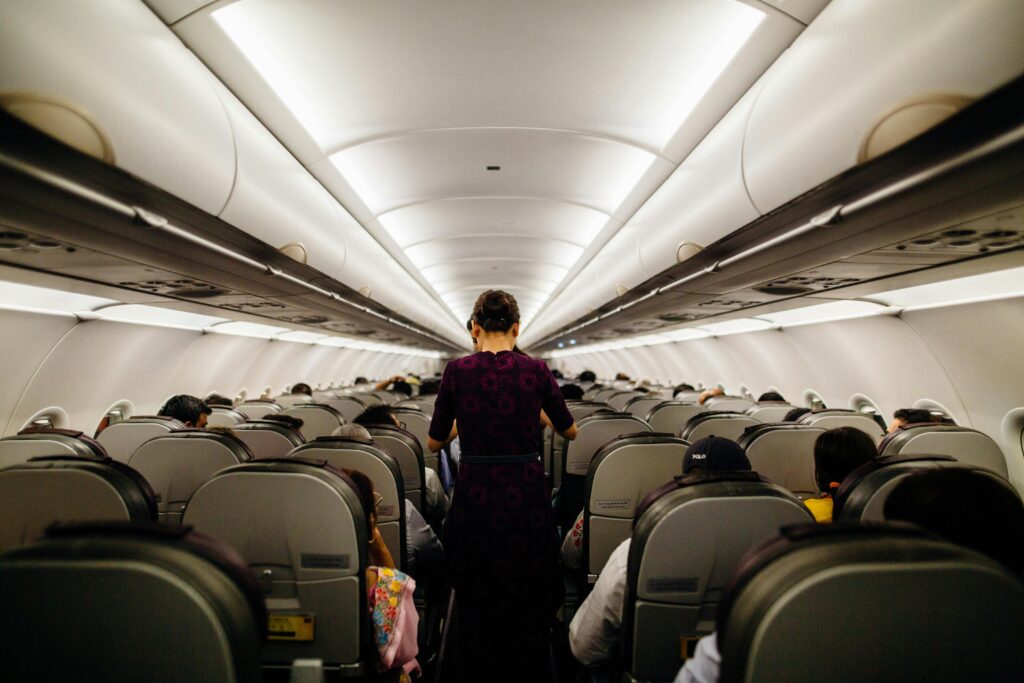
One of the most obvious signs they monitor is physical mobility. Passengers who show signs of limited movement might not be suitable candidates for emergency roles, such as assisting with evacuation procedures. Those traveling with young children or elderly individuals are also less likely to be seated near exit rows. Instead, attendants prioritize passengers who appear agile, capable, and able to act swiftly during critical moments.
Flight attendants are also keenly attuned to behavior. Nervous glances, avoidance of eye contact, or an unusual demeanor might prompt concern. While these observations could simply indicate travel jitters, they also help the crew spot passengers who might need additional assistance or pose risks due to intoxication or illness.
Another subtle yet vital aspect they look for is communication ability. Passengers who can easily follow instructions and understand safety briefings—especially in the airline’s primary language—are highly valued as potential helpers during emergencies.
Beyond these practical assessments, flight attendants keep an eye out for situations that might require intervention, such as signs of human trafficking. Their commitment to ensuring passenger safety extends to maintaining vigilance for any scenarios that seem unusual or suspicious.
Debunking Myths About the Greeting
For many passengers, the cheerful “hello” from a flight attendant has been misinterpreted in ways that are equal parts flattering and amusing. Some imagine that it’s an expression of personal interest, perhaps even the start of an in-flight romance. Others believe it’s a mechanical formality—just another task on a long list of duties. However, the truth behind this moment is far more grounded and professional than these misconceptions suggest.
Contrary to the assumptions of some hopeful travelers, the greeting is not an indication of your charm or charisma. As one TikTok user humorously commented, “I always thought it was my devastatingly good looks and awesome personality.” While it’s heartwarming to think so, flight attendants have much more pressing responsibilities than flirting with passengers. Their focus during these interactions is entirely on safety and preparedness.
Another common myth is that the greeting is merely polite small talk. While flight attendants do excel at hospitality, their primary goal in these moments is far from casual chit-chat. Each passenger’s response—whether verbal or non-verbal—offers valuable insights into their condition and potential readiness to fly. It’s a critical checkpoint disguised as a warm welcome.
The Power Behind a Simple Hello
The next time you board a flight and exchange a smile with the cabin crew, consider the layers of purpose behind that brief interaction. What seems like a simple greeting is a pivotal moment where safety, preparedness, and professionalism converge. Flight attendants are not just delivering pleasantries—they’re safeguarding the journey for every passenger onboard. Their dedication to these hidden responsibilities is a reminder of how much goes into ensuring that flights are both comfortable and secure. So, as you step onto your next flight, take a moment to appreciate the invisible efforts behind the warm “hello.”
